
When brands evaluate packaging costs, they usually focus on unit price. But the real money isn’t made—or lost—there.
Structural packaging design directly affects shipping costs, damage rates, and operational efficiency, which means it plays a much bigger role in your bottom line than most people realize.
The Problem with “Good Enough” Packaging
A box that works isn’t always a box that works well.
Common issues like oversized cartons, incorrect flute choices, or overbuilt structures often lead to:
- Higher freight costs due to dimensional weight
- More void fill and labor
- Increased damage during transit
Saving a few cents on the box can easily cost you far more in logistics.
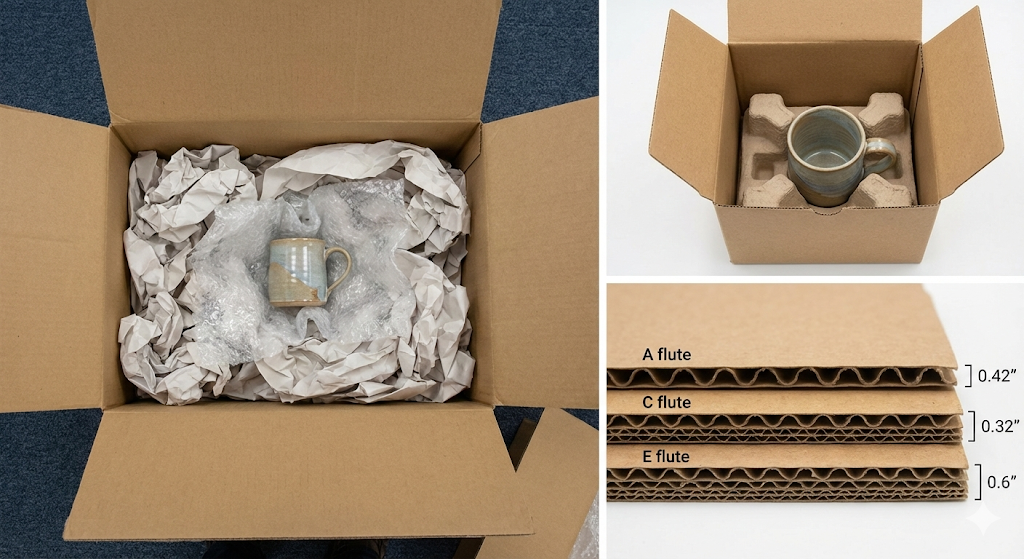
Right-Sizing = Immediate Savings
Right-sizing packaging to the actual product does more than improve fit—it reduces costs across the board.
Benefits include:
- Lower dimensional weight charges
- Better pallet utilization
- Less void fill and material waste
- Reduced shipping costs per unit
Even small dimensional reductions can create major savings when scaled.

Choosing the Right Flute (Not the Biggest One)
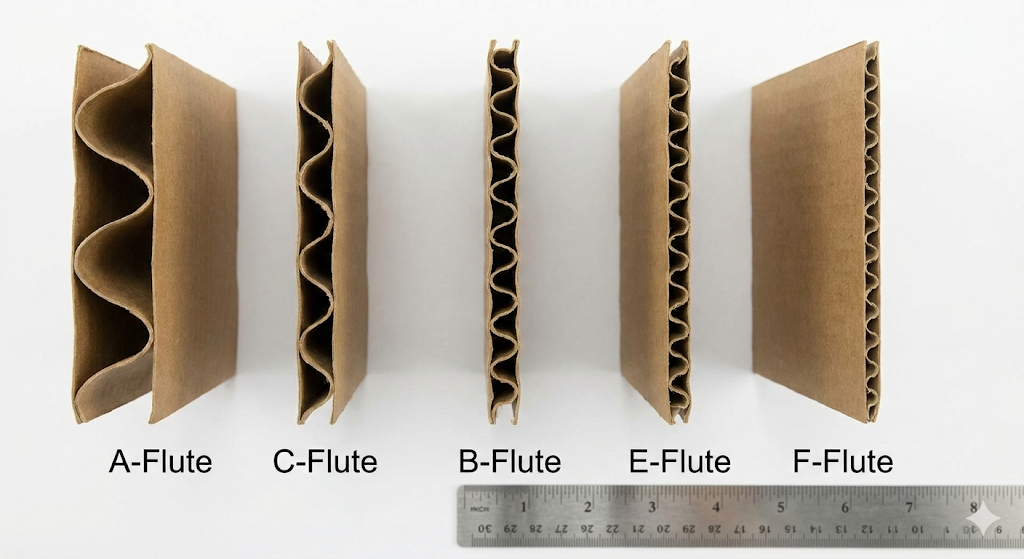
Corrugate flute size matters. Using more material than necessary adds cost, weight, and bulk—without improving performance.
The goal is simple:
Use the lightest flute that still protects the product.
When flute size matches the product’s weight, fragility, and shipping environment, you get durability and efficiency.
Fewer Damages Without Overpacking
Damage issues are often solved with smarter design—not more material.
Well-engineered structures can:
- Improve compression strength
- Secure products internally
- Reduce drop and transit failures
Less damage means fewer replacements, fewer claims, and happier customers.
Where the Real Value Lives: Total Cost of Ownership
At RCI, we don’t just look at the cost of the box—we look at total cost of ownership:
- Shipping and freight efficiency
- Damage rates
- Material usage
- Scalability
Because the cheapest box on paper often ends up being the most expensive one.
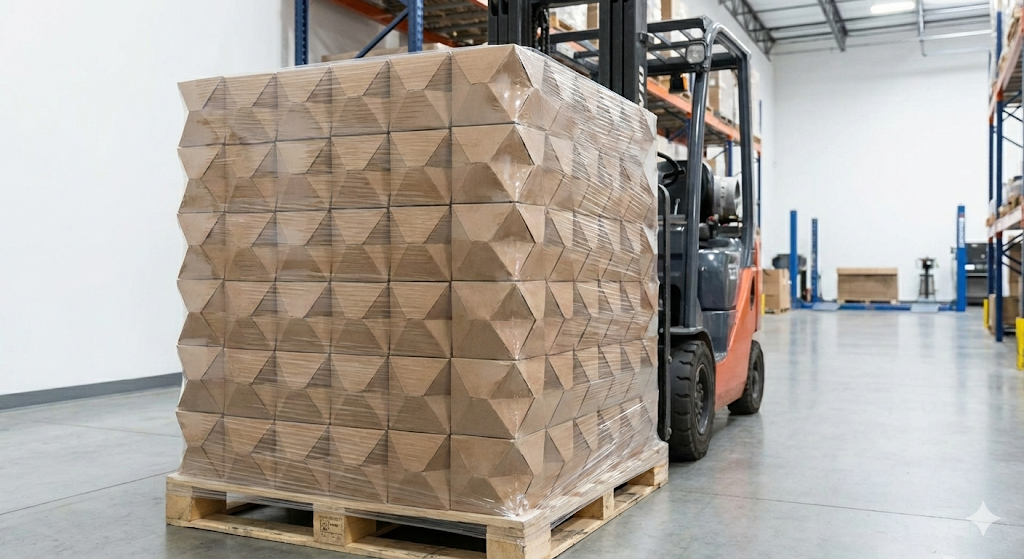
The Takeaway
Smart structural packaging design reduces logistics costs, protects products, and frees up budget that can be reinvested into growth—like marketing and sales.
If your packaging hasn’t been structurally optimized lately, there’s a good chance your bottom line is paying for it.
STOP THE VENDOR JUGGLING ACT – CONTACT US TODAY
